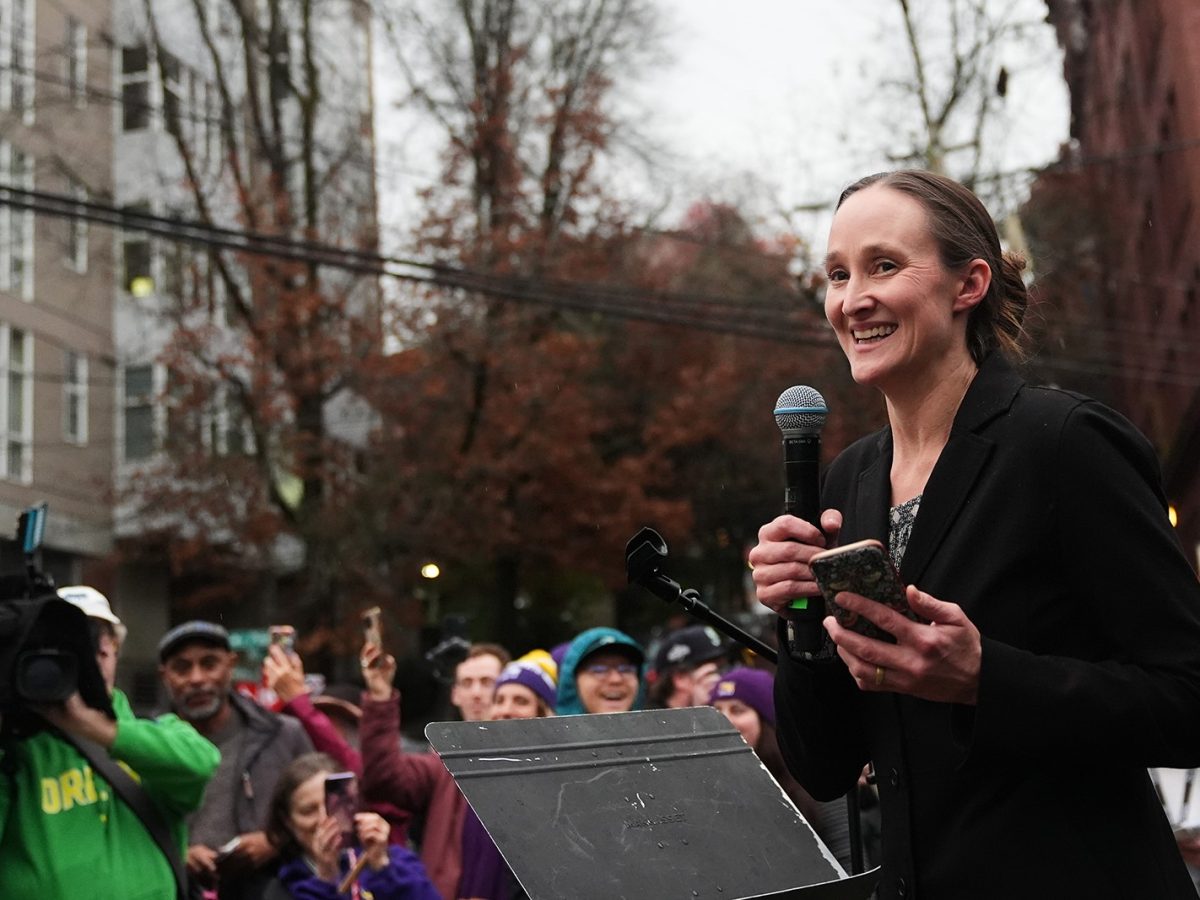
November 4th marks a significant day for many around the country. Key positions like city council positions and mayor, are up for decision this year. The mayoral race in Seattle is a much-anticipated race, with many concerns that citizens want to address through this election. The final race is between Katie Wilson and former mayor, Bruce Harrell. If he were to be re-elected, Harrell would have been in office since 2005, when he took over for Greg Nickels.
A big part of this mayoral race was how each candidate will deal with the pressing issue of homelessness. This is an important issue to many citizens and voters, due to the rise in the homeless population in our city. According to seattle.gov, there were 13,368 homeless people in 2022 and it rose to 16,868 in June of 2025.
Katie Wilson is a self-proclaimed socialist with her strong advocacy towards affordable housing, high minimum wages, and progressive tax options. Katie Wilson’s entry into the race in March was considered to be a significant progressive challenge to Harrell.
However, she has been criticized for being too inexperienced, compared to Harrells involvement in city politics as mayor and a lawyer. Wilson has faced criticism from the Harrell campaign over her past support for defunding the police, a position she has attempted to walk back by stating that while she supports a well-staffed department, she wants to prioritize a greater civilian response for mental health and other non-crime issues.
Bruce Harrell, on the other hand, is a much more moderate politician that focused on racial equity, public safety reform, and economic and educational opportunities for all. Before he was elected mayor, Harrell was a lawyer and a member of the Seattle City Council from 2008 to 2020. Wilson argues that his encampment sweeps are superficial and that there isn’t enough investment in shelter and support services.
A common pattern that we see for Seattle elections is younger, more progressive leaning voters wait until the last minute to turn in their ballots. Earlier voters are often older and more conservative, which often makes it appear like centrist candidates are going to win based on election night results. However, progressive candidates often gain significant ground as late returns are counted later in the week.
In the august primary Wilson had an edge over Harrell, but through the general election results it was much closer than expected, with Wilson winning with around 1500 votes. The race was called on November 14th, granting victory to Wilson, who will take office in January of 2026. Wilson’s political momentum mirrors progressive success in other major U.S. cities, suggesting a strong desire among a segment of Seattle’s voters for bold, left-leaning policy shifts to address wealth inequality and housing.
All around the country we are seeing a swing back towards the left; New York elected a democratic socialist, Virginia and New Jersey now have female democratic governors. With the final count taking over a week to complete, the city was on edge, waiting to see whether Harrell’s moderate appeal will secure his second term, or if Wilson’s progressive wave will break the city’s tradition of mayors.